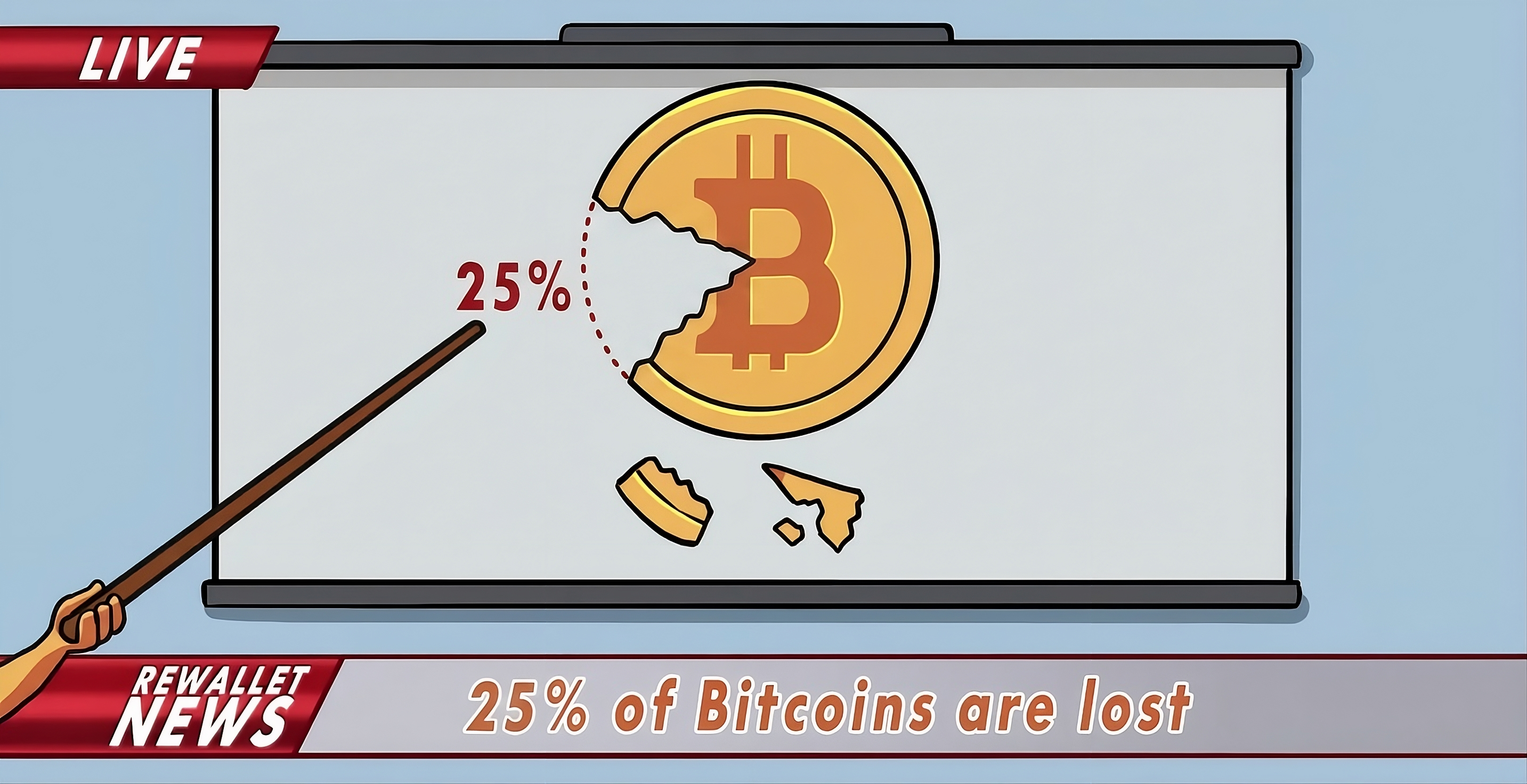

Inheriting Bitcoin isn’t conventional. Even if you have all the proper paperwork to legally claim digital assets in a decedent’s will, that’s not enough to actually access these coins. In fact, when someone passes away, the problem is rarely about who has the legal authority. The real problem is whether there’s anything your family can practically do to claim these digital assets?
Documents like a will only state who has the legal right to inherit your Bitcoin, but they won’t reveal all the info beneficiaries need, such as a seed phrase, PIN, or secret passphrase. For this reason, Bitcoin inheritance is more of a technical documentation issue rather than a legal challenge.
Below, we’ll take a closer look at these more practical aspects of crypto inheritance. That way, if you plan to leave Bitcoin behind to your loved ones, you know exactly what they need for a successful transfer.
Why a Legal Will Alone Isn’t Enough for Bitcoin Estate Planning
In traditional finance, institutions are in charge of the estate transfer process. As long as beneficiaries can prove they’re entitled to something with a legal document like a will, there’s a third-party, like a bank or brokerage, that will help them claim funds. The challenge with cryptocurrencies is that they don’t have this middle layer. If someone inherits your Bitcoin but doesn’t have your hardware device or seed phrase, there is no one they can call for help with issues like opening a wallet or resetting a password. So, even if everything is legally correct, nothing is technically accessible. This gap between legal ownership and de facto access is where most crypto inheritance plans run into problems.
What Your Family Actually Needs — A Technical Crypto Inheritance Checklist
To make Bitcoin inheritable in practice, your family doesn’t just need a formal legal title. They need a clear technical guide with specific information and plenty of “how-tos.” Any evidence linking you to specific Bitcoin holdings helps establish that these assets exist and belong to the estate, even if immediate access isn’t available. Actually restoring these Bitcoin may require additional credentials or specialized recovery assistance, but documenting where the assets are and how they were held gives heirs a critical starting point. Here’s what that roadmap to crypto ownership needs to include:
Your Crypto Wallet Type
Specifying the crypto wallet you used is the most basic question to answer, but it’s easy to overlook or not explain in enough detail so family members understand what they’re looking for. The essential information you include depends on where you store your crypto:
- Hardware wallet: Include the model (e.g., Ledger or Trezor) and the location where it is physically stored (e.g., in a safe on your property or in a safety deposit box).
- Software wallet: Write the name of the app and which device it is installed on (e.g., your smartphone, tablet, or laptop).
- Exchange account: List the platform’s name and the email address you used to register your account.
Without these foundational details, your family may not even know where to start looking for a Bitcoin inheritance.
Where You Stored Your Crypto Wallet Backup
A missing backup location is a common reason digital assets become permanently inaccessible. On the flipside, if you leave all the info family members need to access your crypto wallet backup, you’ve added a huge “insurance policy” on your inheritance:
- Seed phrase: Specifically say where you stored this essential list of words (e.g., a single piece of paper or a metal backup), as well as how many words should be on the recovery sheet and whether it’s split across locations.
- Encrypted files: Note their location on your computer, an external drive, or a cloud service so they’re easy to access.
- Cloud storage notes: If anything is stored in services like Google Drive or iCloud, make sure to explicitly document it.
- microSD card or device backup: Some hardware wallets store encrypted backups on physical media; be sure to include this information as well.
Passwords, PINs, and Passphrases
Recording the password or PIN to unlock your wallet seems simple enough. Just write the words, symbols, or numbers you used to unlock your wallet. But there are a few complexities that may be easy to forget when leaving this data trail.
For instance, are there any additional passwords specifically for spending that family members need to transfer their inherited BTC? In some specific wallet types or situations, the password serves other purposes, such as decrypting the private key. Be sure to note any such nuances in your notes. Also, if you linked your wallet to a two-factor authentication (2FA) system, your family needs details on how you receive your codes to access your wallet (e.g., SMS, a paired authenticator app, or a hardware key).
Another critical piece of information to include is any optional passphrases. Since adding the optional passphrase to a wallet creates a separate account, your family won’t be able to access any Bitcoin you keep in these “hidden wallets” even if they have the correct seed phrase.
What Coins and Accounts Exist
Your family can’t take ownership of what they don’t know exists. While it may seem basic, be sure to list exactly which cryptocurrencies you hold, how many self-custodial wallets or exchange accounts you use, and whether your funds are split across these devices and platforms. It’s also important to explain what each item of wallet access data is and which account it unlocks. Depending on how you store your assets, this could include details like seed phrases, private keys, wallet files or passwords.
Although it’s convenient to keep these recovery details in one place for your heirs, you’re creating a major security risk that way should a bad actor find this information. Think carefully about how you store your crypto inheritance details to minimize the risk of unauthorized access.
Again, this sounds simple, but it can be easy for Bitcoin holders to underestimate the complexity and fragmentation of their holdings over time. Providing this clear data will help your family find your Bitcoin exactly where it is.
Mention Only Reliable Recovery Partners
Even if you think your instructions are clear, your family may not have the technical confidence to navigate the world of crypto wallets, exchanges, seed phrases, or recovery tools. This is where an experienced and reputable recovery support team can serve as a guide. With a crypto wallet recovery service like ReWallet, your family has a partner to navigate complex setups, gather key details, and prevent irreversible mistakes.
Unfortunately, in moments of great stress and confusion, families can sometimes turn to unverified services or scams that claim “guaranteed Bitcoin recovery.” Malicious actors could prey on your family’s vulnerability during this time to make away with all of your digital assets and even sensitive personal information.
To avoid getting involved in this situation, you need to let your family know who they can trust if they ever need help throughout the recovery process. List the official contact details for a proven crypto wallet recovery service so your family won’t get scammed or feel stranded.
How to Document Your Bitcoin Estate Backup Safely
It makes sense to store everything your family needs for a crypto recovery in one place, right? From a practical perspective, nothing seems wrong with that strategy. For your safety, however, that isn’t a wise decision.
Remember: The more complete and centralized your recovery devices and paperwork are, the more dangerous it becomes if a thief manages to get them. Ironically, a single document that neatly records everything is both a lifeline and a liability.
Your goal shouldn’t be to “store everything in one place.” Rather, you want to make recovery possible while still protecting yourself from theft.
A good recovery setup for a Bitcoin inheritance usually includes these features:
- Store your seed phrases and optional passphrases separately, with clear instructions on how they combine.
- Keep physical written backups securely in safes or safety deposit boxes.
- Include a simple “instruction letter” separate from any legal will explaining what exists and where to find it.
- Let at least one trusted person know how crypto fits into your estate and where the instructions are kept.
- Regularly update details whenever wallets, devices, or passwords change.
- Get in the habit of checking for software or firmware updates on your wallets so you always have the latest versions.
- Self-test your backup strategy once or twice a year to double-check it still works.
The Most Common Reasons Families Can’t Access Inherited Bitcoin
Over the years of working with families who inherited Bitcoin, ReWallet’s team has come across a few themes in failed crypto inheritance-related recoveries. Although every case is different, there are a few patterns that appear in these cases that people leaving Bitcoin behind need to consider:
- The client NS had multiple data storage devices from her deceased husband. Unfortunately, none of them were the correct unit because they all had zero crypto balances. NS didn’t have any further details on where her husband kept crypto.
- Another client, K, worked with her father before his death and was aware of his BTC holdings and wallet data. But even with this info, K didn’t have enough information on her father’s password habits to successfully get into these holdings.
- The client A saw her late husband's Bitcoin portfolio on a screen one year before his passing. However, she was only able to deliver a few data storage devices, none of which contained any digital assets.
- Sometimes clients have the correct hardware wallet but are missing the PIN, password, or seed phrase to access the Bitcoin on it.
- Families who attempt a Bitcoin recovery using a fraudulent service often lose their entire Bitcoin inheritance with no chance of recovery.
- Although family members have the seed phrase, there’s no documentation of the optional passphrase. So, even with the correct seed phrase, there’s no cryptocurrency in the wallet, and they don’t have a way to unlock the hidden wallet with the actual inheritance.
A painful feature in many of these stories is that family members are simply missing the right information. They might have a wallet file or device, but the lack of complete information keeps them from claiming their Bitcoin inheritance.
What Not to Do — How to Keep Your Bitcoin Estate Safe
If you want to avoid a crypto inheritance catastrophe, then keep these “don’ts” in mind when creating your estate plan:
- Don’t store seed phrases digitally without strong encryption — photos, cloud storage, email drafts, and notes apps are all high-risk for hacks.
- Don’t assume exchanges will recover self-custody wallets.
- Don’t leave all instructions with one person who might not outlive you.
- Don’t keep everything secret in the name of security and assume others will figure it out.
- Don’t assume your family will “just know what to do” when the time comes.
A Final Note On Bitcoin Inheritance From ReWallet's Experience
When it comes to Bitcoin inheritance, it doesn’t always matter how experienced someone is with self-custody wallets. That’s because most of the information you need isn’t stored in a convenient place, like a single legal document or with a company. Instead, these details live in the mind of the person who set up these wallets. Once that person is gone, the difference between “inherited wealth” and “permanently inaccessible funds” usually comes down to whether families can piece together whatever information is left behind.
Given the complex nature of Bitcoin inheritance, it’s especially important to methodically plan your estate. The more data you leave behind on your holdings and wallets — as well as reputable help your family can turn to if they need guidance — increases the odds your crypto inheritance will be distributed according to your wishes.